Our Work
We have a broad skills base covering many aspects of property technology. All our skills and work are delivered by a small, highly skilled in-house team, all of whom have refined their craft on our own properties before doing the work on other people’s properties. This technical integrity is crucial to us.
Here are the services we offer to clients who want to join our mission. We can do specific elements or complete packages of works, but generally like to provide complete solutions to ensure there is integrated design, accountability and efficiency.
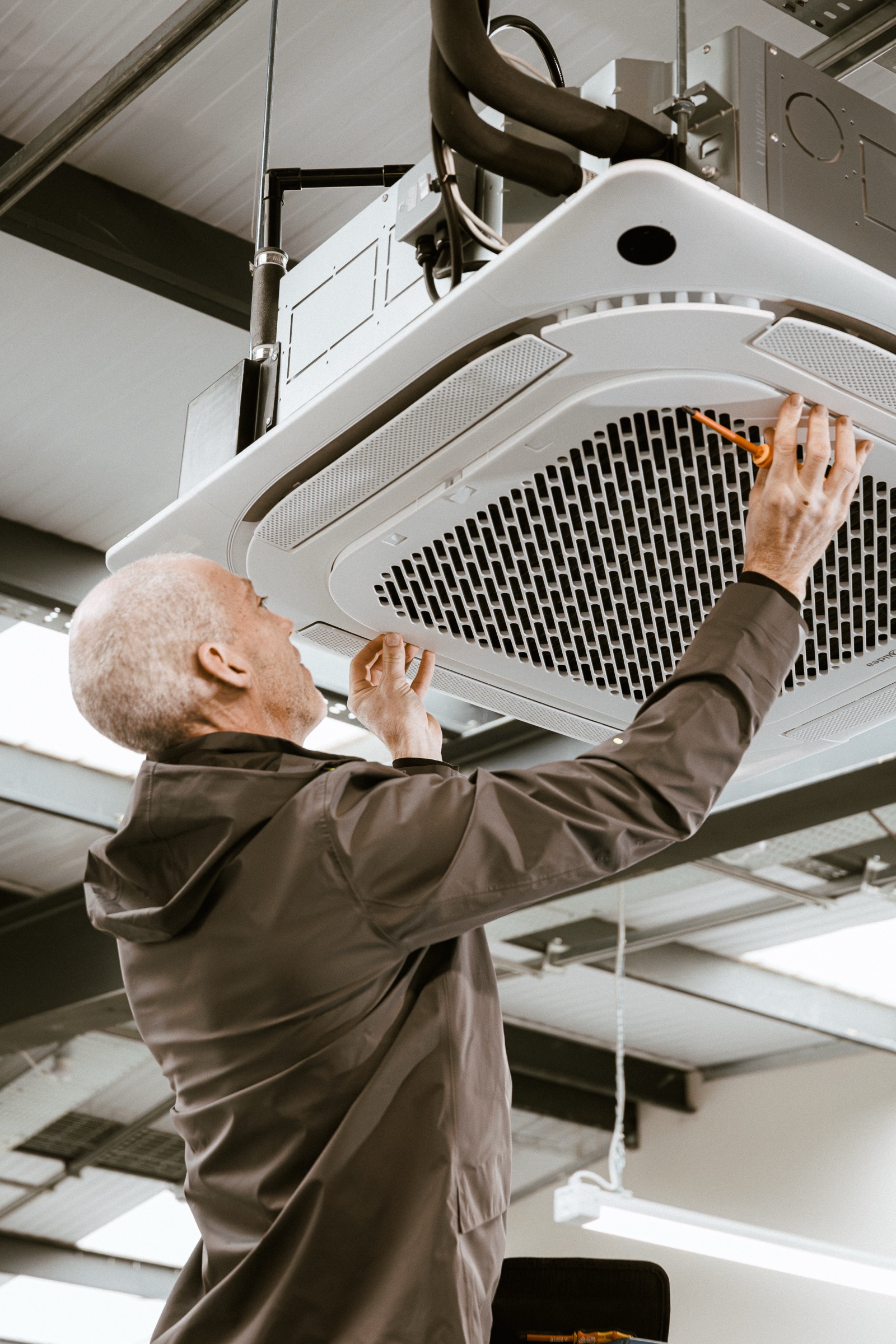
Design consultancy
The start of every effective system is excellent design. We offer a fully integrated design consultancy service.
As our client consultations and system designs are done by a team that invests in, installs and manages systems itself, we understand the wide-ranging requirements clients have at the early stage of system design.
Balancing yield, usage, payback, space, aesthetics and integrations is crucial to ensuring an optimal system.
Engage with us early on for phased design work, and you can choose whether you want us to go on to deploy the systems or to take the designs we have produced for tendering purposes.
Solar photovoltaic
Solar is one of the most efficient, low-cost, highest-return and sustainable energy sources available.
If your property has outdoor space where solar panels can go, a solar array may be ideal for you.
We install systems of all sizes, ideally as part of a combined energy storage system.
Despite some rumours, solar panels last a long time, provide swift payback and are very safe when installed properly.
Note: we do not do domestic installations.
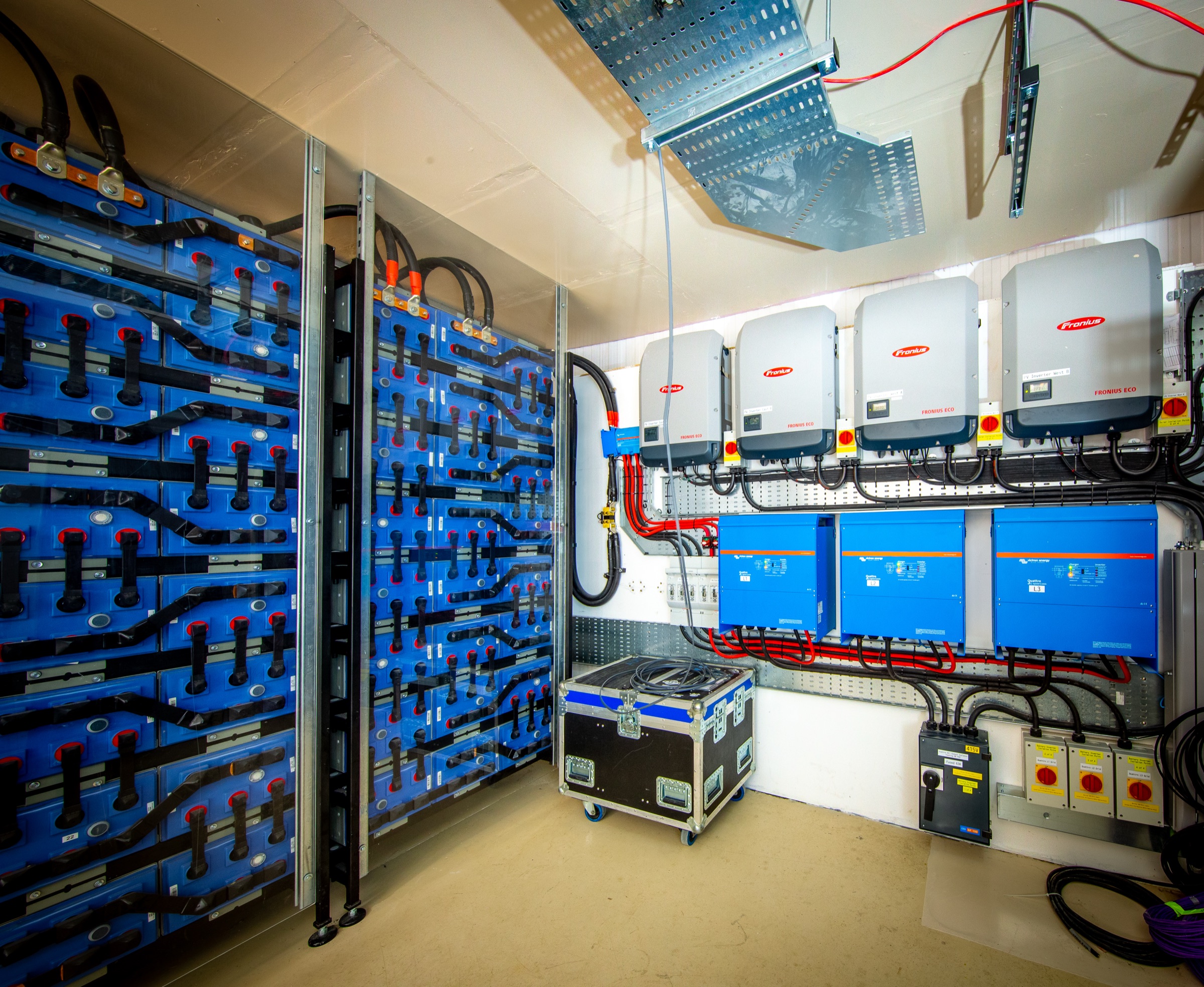
Battery energy storage systems
It is often the case that a solar power system produces more power during the day than a property can use, in which case it makes sense to store it for when the sun is not out.
A typical battery system, as a minimum, should be sized to suit night-time use, factoring in daytime energy production. In some instances, much larger systems are suitable, which can power a building over several days of low solar yield.
Battery systems are also useful for backup power (in case the mains power goes out).
There are also use cases where batteries are used to capture energy at cheaper night-time rates and use it during the most costly times.
Modern battery technology is cost-effective, reliable and lasts a long time, as long as systems are designed and installed properly.
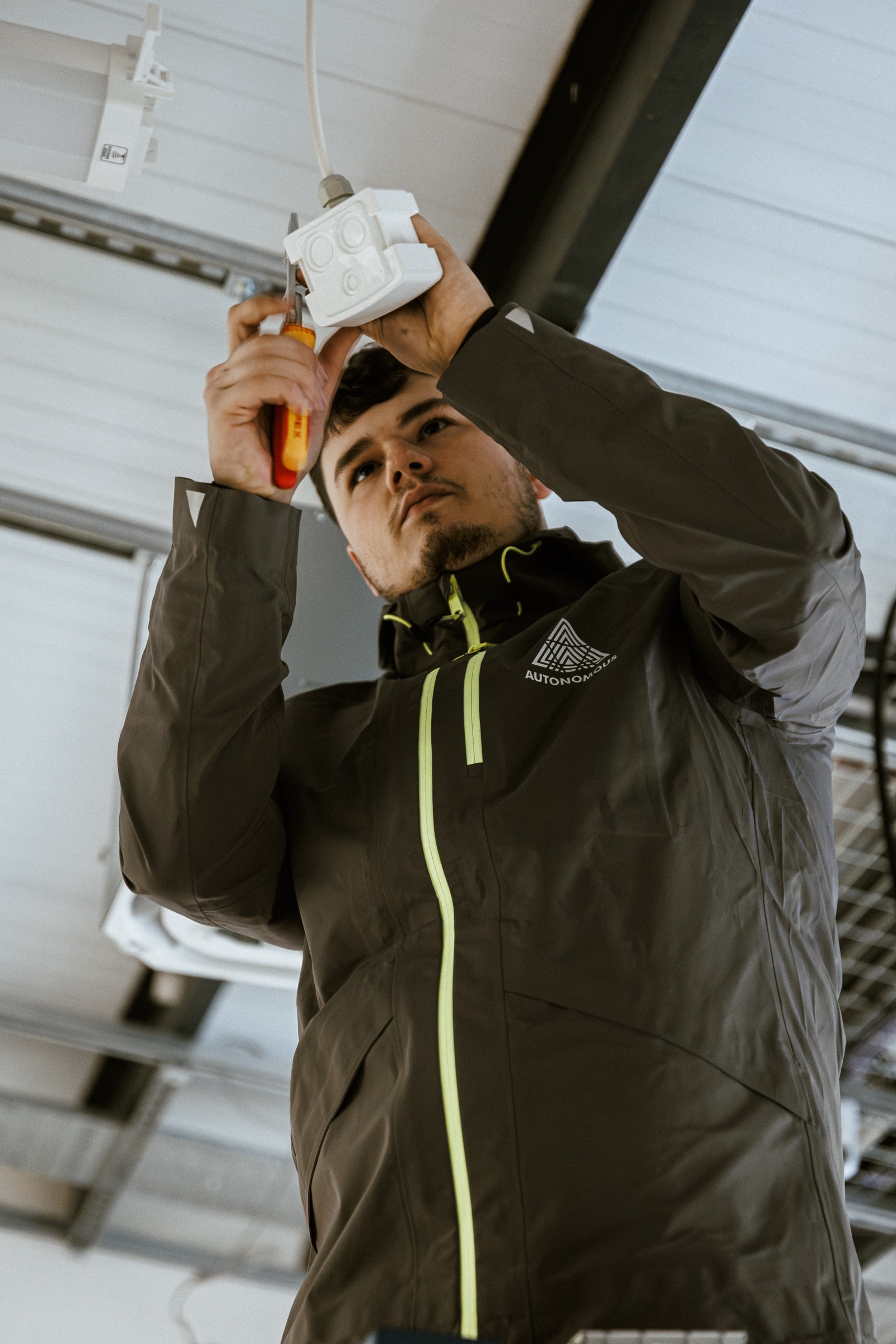
Renewable heating and cooling
There is rarely a need to use fossil-fuel gas in commercial properties.
Using a range of heating and cooling technologies, we can keep your property at the right temperature, cost-effectively and sustainably.
Come to our facility to see the range of equipment available in action.
Air-source heat pumps
Air-source heat pumps take the heat out of one body of air and put it into another.
For example, they can take heat from inside a building and move it outside, giving the effect of inside cooling.
Or heat can be taken from the air outside and used inside the building, resulting in a heated building.
Evaporation creates the cold, while compression creates heat.
The heat can also be put into water for hot water or heating.
The most relatable example of this is how an aerosol can cools down as it sprays and how a bike pump gets hot when it compresses air.
This process results in a “coefficient of performance”, whereby one unit of electricity can produce up to five times as much heat energy as the system consumes.
It is a remarkably efficient system, even more so when powered by free solar energy.
We are happy to show and explain this at our facilities.
Ground-source heat pumps
Ground-source heat pumps (GSHPs) work like air-source heat pumps, but instead of taking heat from the air, or dumping heat back into the air, they use the “thermal mass” (ability to hold heat energy) of the ground or surrounding bodies of water.
GSHP systems can be highly effective; however, like most renewable technologies, they need to be applied to the right applications, designed properly, tested and installed professionally.
Off-grid power stations
Our origins are in building off-grid power systems for live events, and we now provide these for permanent applications.
Getting a traditional grid connection can be very expensive, and in some applications, it is lower cost to have your own power station.
Our off-grid power systems use established technology from traditional electrical engineering, marine and critical power systems. Systems that produce reliable energy year-round can incorporate a mixture of solar, battery storage and wind generation. Traditional generators are often suitable for providing power when wind and solar yield are low. In this case, it is preferable to use biodiesel and to store the excess heat produced in hot water batteries (after all, generators are typically needed in the darker months when a building has heating requirements).
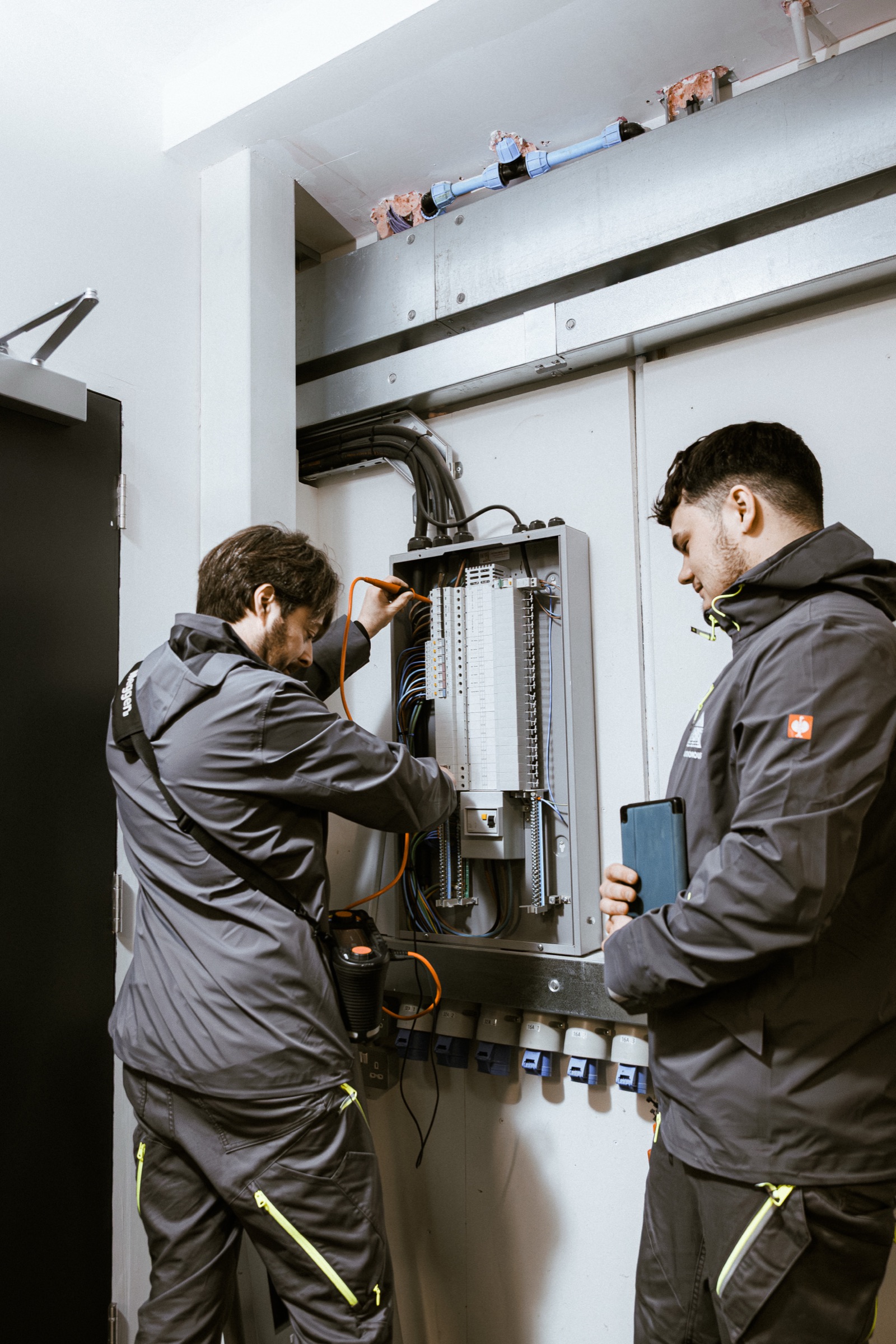
Commercial electrical installations
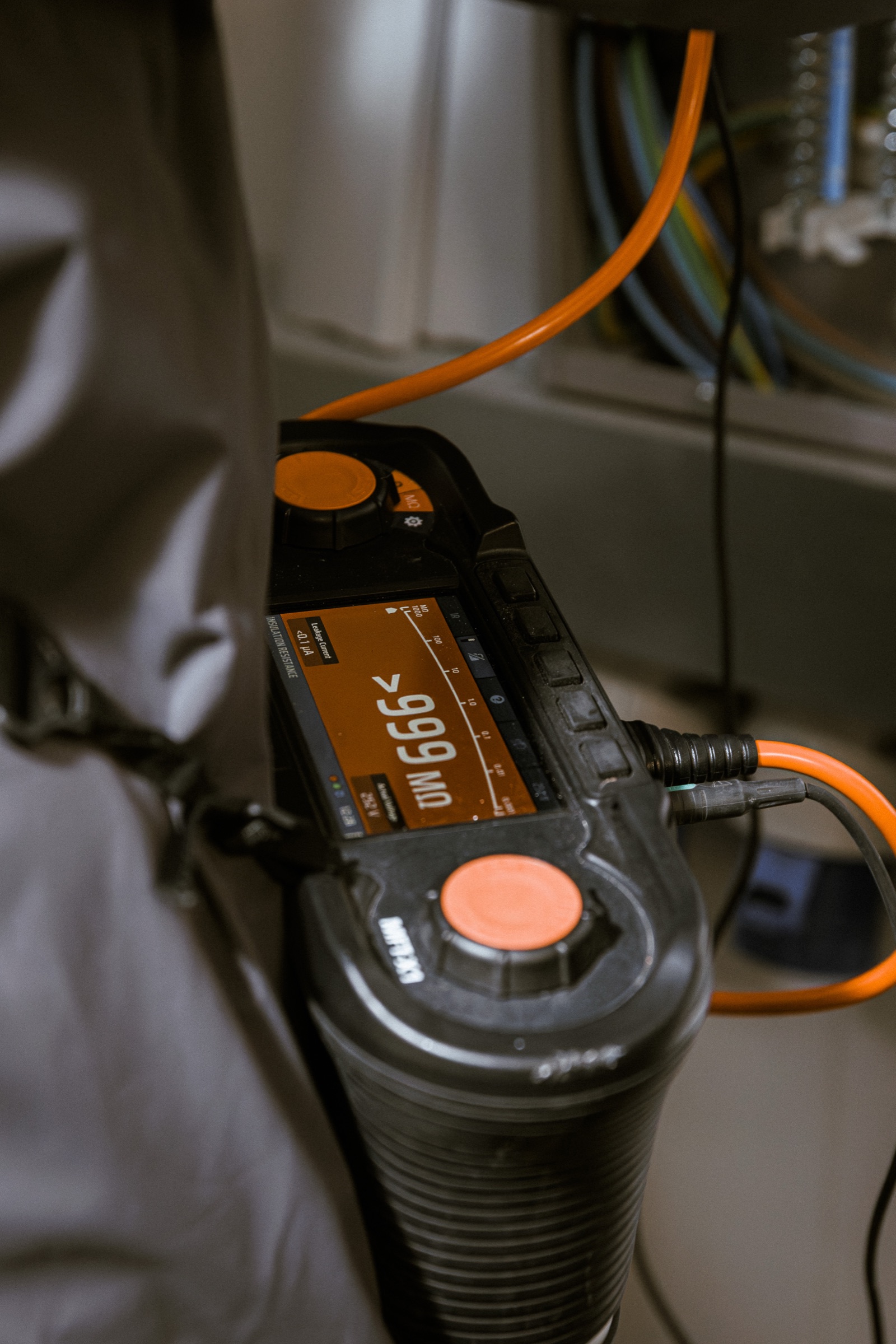
As an NICEIC Approved Contractor, we are certified to carry out commercial electrical installations.
While we are skilled and qualified for all types of work, we thrive on industrial and commercial applications where durable containment, easy serviceability and complex system design are required.
Water batteries
With the majority of electrical energy being used for heating, there are many scenarios where storing energy in the form of heated water makes a lot of sense.
Using heavily insulated water tanks, we can store surplus solar energy or energy produced over time from heat pumps.
These systems are often referred to as “solar diverters” and are one of the many components we design into comprehensive energy systems.
Solar diverters are particularly good for off-grid applications that need hot water.
Where generators are used for topping up a system, a “combined heat and power” (CHP) approach is taken, where excess heat from the generator can be stored in the same water batteries.
Containment solutions
Containment is the casing, brackets and other equipment that hold wiring and plant equipment. It is the backbone of commercial and industrial power installations.
We treat containment as a craft and an aesthetic feature of all our installations; after all, it is typically the most visible element of a project. This is incorporated into all projects.
ISO container conversions
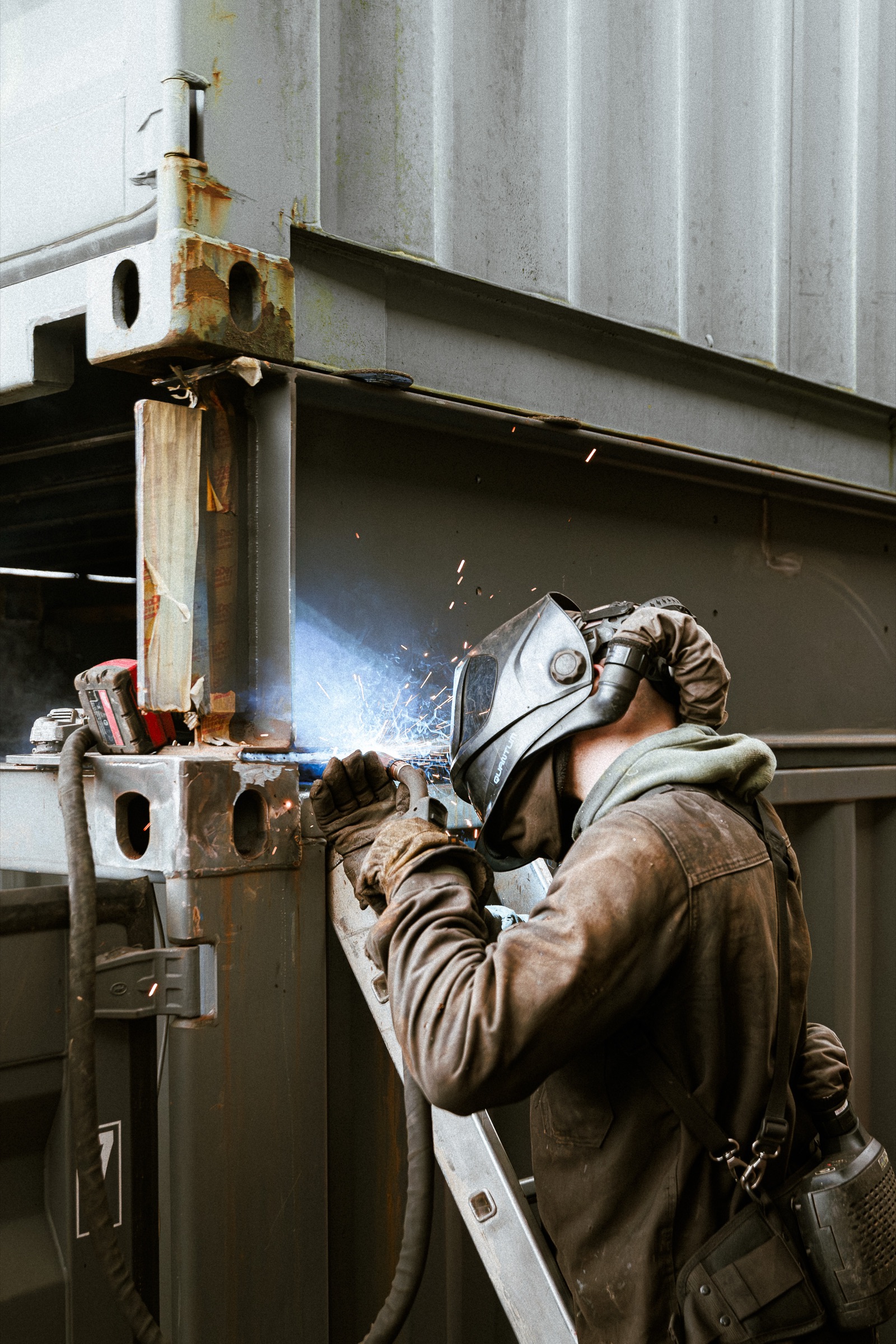
We love working with ISO shipping containers and have converted them into offices, saunas, event spaces, plant rooms, staircases, structural components and shower blocks.
We are always happy to discuss other people’s container projects to see if there is a way we can support them. If you are interested in container conversions, please get in touch to arrange a tour of our container village at Skyline Park.